Dust, mold and bale losses: how to keep alfalfa dry and nutritious all year round
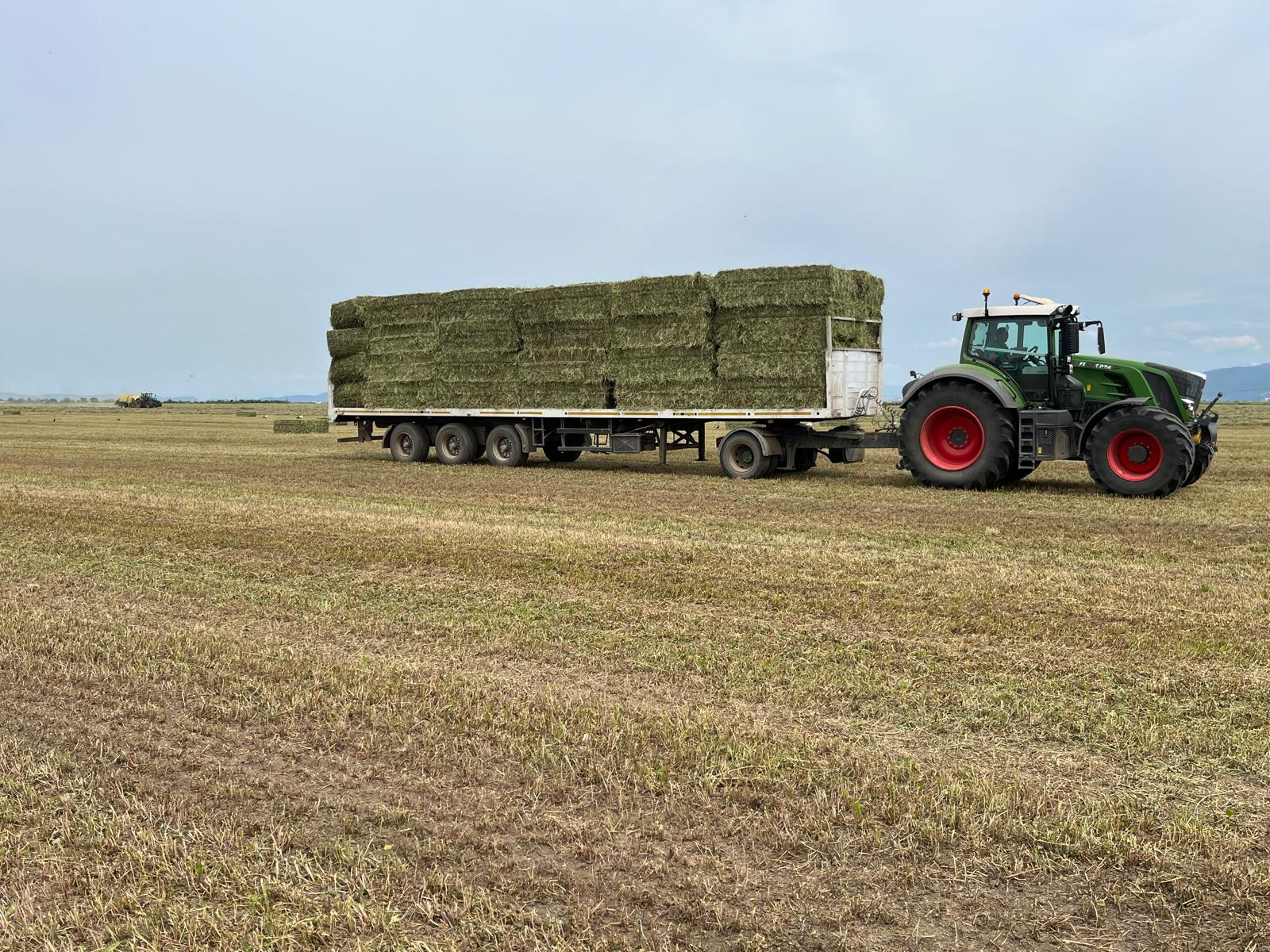


Alfalfa is one of the most valuable forage crops, but it quickly loses quality if the bales are not dried and stored properly. Dust, mold and hot spots inside the bale occur when the humidity is too high or the air does not circulate enough. Often, farmers only notice the problem when the animals start to refuse feed or develop digestive problems, by which time the damage has already been done. A compromised alfalfa bale means not only lost money, but also a risk to the health of the animals.
Quick test for your bales: 5 signs they have problems
Pungent or ammonia-like odor
Excessive dust when opening
Brown or black areas inside
Warm to the touch
Animals refusing the feed after 2-3 days
The best prevention starts in the field, with timely harvesting and proper drying before baling. If alfalfa is baled when it still has too much moisture, mold is almost guaranteed, no matter how good the storage space. Placing bales on pallets, with space between rows for air circulation, greatly reduces the risk of condensation and heating inside. In addition, proper covering, which protects from rain but still allows ventilation, makes the difference between good forage all year round and one that has to be thrown away after a few months.
No account yet?
Create an Account