From hay to pellets: the surprising journey of alfalfa in a single production cycle
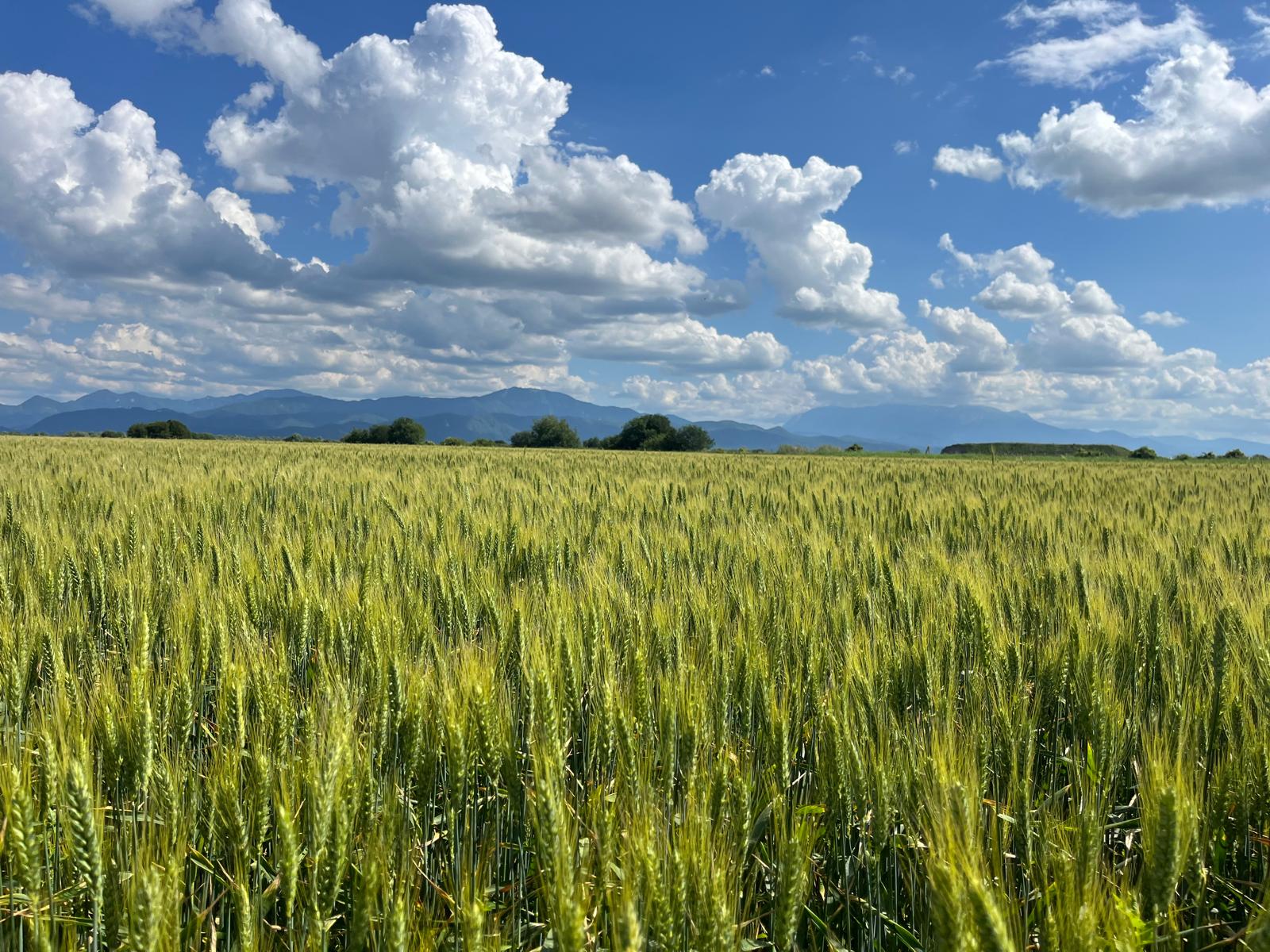


Behind a bag of alfalfa pellets is a surprisingly well-controlled process that begins in the field, with a healthy crop. It all starts with choosing the optimal time to harvest, when the plant has maximum protein levels and sufficient foliage – exactly what horses need for energy and fitness, or broilers for fast and uniform growth. Then the alfalfa is cut and left to dry until it reaches the right moisture, carefully monitored. If the hay stage is not done properly, the pellets will not have the desired quality either, and the nutritional value will be compromised.
Why does the process matter for horse, turkey and broiler breeders?
Horses they need quality fiber and consistent protein – alfalfa pellets provide exactly 17-20% protein, batch after batch
Turkeys their daily ration can be easily adjusted due to the uniform shape of the pellets, without waste
Broiler chickens benefit from higher digestibility than bulk hay, which translates directly into better feed conversion
Finally, the pellets are cooled, sieved and packaged according to the type of customer: 20 or 40 kg bags for small horse farms or turkey breeders, or 500 kg big bags for large broiler farms. Each packaging variant has its role – small bags are practical and easy to handle, while big bags save time and costs for large volumes. Thus, the path from hay to pellets is not just a physical transformation, but a complete optimization of the way alfalfa ends up in your animal feed.
No account yet?
Create an Account